📚 Table of Contents
- Why More Local Startups Are Growing Successfully
- Modern Technology Made Starting a Business Easier
- Customers Value Personal Experiences More Than Ever
- Remote Work Created New Business Possibilities
- Technology Trends Changing Local Startups
- AI Is Becoming Part of Everyday Business Operations
- Hyperlocal Apps Are Growing Fast
- Sustainable Businesses Are Attracting Attention
- Subscription-Based Services Continue to Rise
- How Service-Based Startups Are Evolving
- Digital Convenience Is Now Expected
- Freelancers Are Becoming Startup Founders
- Healthcare and Wellness Startups Are Expanding
- Challenges Local Startups Still Face
- Raising Capital Is Still a Big Challenge
- Large Companies Still Create Strong Competition
- Hiring Skilled Talent Can Be Difficult
- Technology Changes Quickly
- How Communities and Governments Support Startups
- Incubators and Accelerators Help Early Growth
- Government Programs Encourage Innovation
- Local Communities Matter More Than Ever
- Industries Creating Big Opportunities for Local Startups
- Education Technology
- Financial Technology
- Logistics and Delivery Services
- Smart Home and IoT Services
- What the Future May Look Like for Local Startups
- Digital-First Startups Will Become Common
- Niche Businesses Will Grow Faster
- Collaboration Between Startups Will Increase
- Automation Will Become Standard Practice
- Practical Tips for Aspiring Startup Founders
- Focus on Real Problems
- Build Customer Trust Early
- Strengthen Your Online Presence
- Stay Adaptable
- Frequently Asked Questions
- Why are local startups important for economic growth?
- Which industries are best for local tech startups?
- Can small startups compete with large corporations?
- How does artificial intelligence help startups?
- What is the biggest challenge for local startups?
- Are service-based startups scalable?
- Conclusion
The Future of Local Startups in Tech and Services
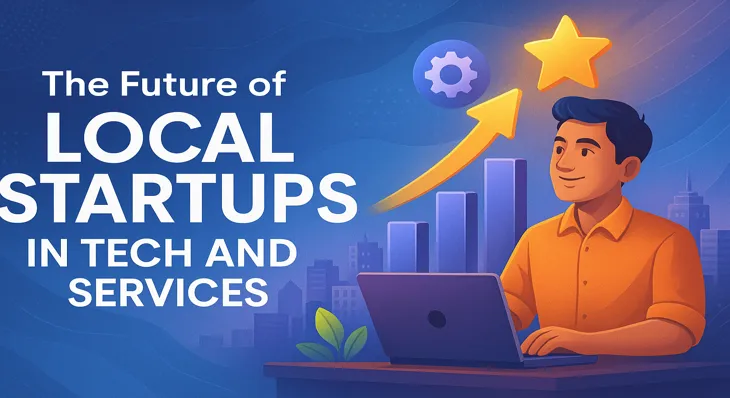
Not long ago, many entrepreneurs believed that successful tech companies could only grow in major cities with investor-rich ecosystems and large business networks. That assumption is slowly disappearing. Today, a small startup can operate from almost anywhere. Some founders work from coworking spaces, others from home offices, and many launch businesses with little more than a laptop, internet access, and a strong idea. Across local markets, startups are building practical solutions for real problems. One business may create delivery software for nearby stores, while another develops digital booking systems for local service providers. These businesses may begin small, but many are growing faster than expected because they understand their customers closely. The future of local startups in tech and services looks especially promising as customer behavior shifts. People increasingly prefer businesses that respond quickly, communicate clearly, and offer more personalized experiences. Technology has also become more accessible. Entrepreneurs no longer need massive infrastructure or huge startup budgets to launch online businesses. Affordable cloud software, automation tools, and digital marketing platforms have made business operations much easier to manage. Remote work has added another layer of opportunity. A startup based in a smaller city can now work with national or international clients without opening expensive offices in multiple locations. The business world is becoming more flexible, and local startups are benefiting from that shift. Some of these companies will remain small and profitable. Others may eventually become major industry players. This article explores the future of local startups in tech and services, the trends driving growth, the industries creating new opportunities, and the challenges founders still need to overcome.Why More Local Startups Are Growing Successfully
The startup ecosystem has become more accessible than ever before. Entrepreneurs no longer need huge office spaces or large technical teams to launch successful businesses.Modern Technology Made Starting a Business Easier
Cloud computing, automation software, and subscription-based digital tools have dramatically lowered startup costs. Even small businesses can now operate with professional systems that were once available only to enterprise companies. A local tech startup can now:- Build scalable online platforms
- Use cloud-based business software
- Run digital marketing campaigns on a budget
- Manage remote teams efficiently
- Automate customer support
- Track business performance through analytics
Customers Value Personal Experiences More Than Ever
One clear advantage local startups have over larger corporations is their ability to connect with people directly. Big companies often struggle to personalize services at scale. Local businesses, however, understand the habits, preferences, and expectations of nearby customers. For instance, a regional grocery delivery startup may know exactly which products are popular during local festivals. A neighborhood digital marketing agency may understand local business culture better than a large national firm. This personal connection creates trust, and trust is becoming one of the most valuable business assets today.Remote Work Created New Business Possibilities
The rise of remote work changed how companies hire talent and outsource services. Businesses now work with professionals from different cities and even different countries. That shift has created opportunities for local startups offering:- Website development
- Virtual assistance
- IT support services
- Online consulting
- Content creation
- Social media management
- Software testing
Technology Trends Changing Local Startups
The future of local startups in tech and services will largely depend on how quickly businesses adapt to emerging technologies.AI Is Becoming Part of Everyday Business Operations
Artificial intelligence is no longer reserved for global tech corporations. Small businesses are already using AI-powered tools to improve customer experiences and reduce operational costs. Many startups now rely on AI for:- Customer support chatbots
- Personalized recommendations
- Marketing automation
- Data analysis
- Scheduling systems
- Inventory forecasting
Hyperlocal Apps Are Growing Fast
Hyperlocal businesses focus on serving customers within specific geographic areas. This model is growing because people increasingly value convenience and faster service. Examples of hyperlocal startup ideas include:- Grocery delivery apps
- Local courier platforms
- Home repair booking services
- Community marketplaces
- Local healthcare scheduling apps
Sustainable Businesses Are Attracting Attention
Sustainability is no longer a niche trend. Consumers actively support businesses that promote environmentally responsible practices. Many startups are now introducing:- Eco-friendly delivery systems
- Reusable packaging solutions
- Green transportation services
- Recycling technology
- Sustainable fashion platforms
Subscription-Based Services Continue to Rise
Subscription models are becoming increasingly common across both tech and service industries. Instead of relying entirely on one-time purchases, businesses are building predictable monthly revenue. Common subscription-based startup ideas include:- Meal delivery services
- SaaS platforms
- Fitness coaching programs
- Online learning memberships
- Device maintenance plans
How Service-Based Startups Are Evolving
Service businesses are changing rapidly because of digital transformation. Traditional local services are becoming smarter, faster, and more customer-friendly.Digital Convenience Is Now Expected
Customers today expect convenience in nearly every interaction. That is why local service providers are investing in:- Mobile apps
- Online booking systems
- Automated reminders
- Digital payments
- Virtual consultations
Freelancers Are Becoming Startup Founders
The freelance economy is also driving startup growth. Many independent professionals eventually expand their services into full businesses. Examples include:- Designers launching creative agencies
- Developers building software companies
- Writers creating digital marketing firms
- Coaches starting online training platforms
Healthcare and Wellness Startups Are Expanding
Health-focused startups are expected to grow significantly in local markets. People increasingly prefer accessible and technology-driven healthcare solutions. Local startups are entering areas such as:- Telemedicine
- Fitness tracking
- Mental wellness platforms
- Home healthcare services
- Nutrition coaching apps
Challenges Local Startups Still Face
Although the future looks promising, local startups still deal with several practical challenges.Raising Capital Is Still a Big Challenge
Many founders struggle to secure enough capital during the early stages. Startup owners often face difficulties accessing:- Business loans
- Angel investors
- Venture capital
- Expansion funding
Large Companies Still Create Strong Competition
Large corporations still dominate many industries because of their strong branding and marketing budgets. To compete effectively, local startups must focus on:- Faster customer support
- Better personalization
- Community relationships
- Specialized services
- Innovation
Hiring Skilled Talent Can Be Difficult
Growing startups often struggle to attract experienced professionals. Established companies usually offer higher salaries and greater stability. To compete for talent, startups need to create:- Flexible work environments
- Career growth opportunities
- Positive company culture
- Remote work options
- Meaningful projects
Technology Changes Quickly
Technology evolves at a fast pace, and businesses that fail to adapt can fall behind surprisingly quickly. Startup founders must continuously stay informed about:- Artificial intelligence
- Cybersecurity
- Automation
- Digital marketing
- Cloud infrastructure
- Consumer technology trends
How Communities and Governments Support Startups
Startup ecosystems grow faster when communities, institutions, and governments actively support entrepreneurs.Incubators and Accelerators Help Early Growth
Startup incubators provide guidance, mentorship, networking, and business development support. Accelerator programs often help founders:- Refine business strategies
- Meet investors
- Build partnerships
- Improve operations
- Expand into larger markets
Government Programs Encourage Innovation
Many governments now recognize the economic value of startups. As a result, several regions offer:- Startup grants
- Tax incentives
- Skill development programs
- Innovation funding
- Digital business support
Local Communities Matter More Than Ever
Strong community support can significantly improve startup survival rates. When people actively support local businesses, startups gain:- Customer loyalty
- Brand visibility
- Word-of-mouth marketing
- Partnership opportunities
- Useful customer feedback
Industries Creating Big Opportunities for Local Startups
Several industries are expected to create strong growth opportunities over the next decade.Education Technology
Online learning continues to grow across different age groups and industries. Local startups are building:- Online tutoring platforms
- Career coaching services
- Skill development programs
- Language learning apps
- Industry-specific training courses
Financial Technology
FinTech startups are changing how people manage payments, savings, and investments. Popular local fintech services include:- Mobile payment solutions
- Budgeting tools
- Small business financing
- Micro-investment apps
- Financial literacy platforms
Logistics and Delivery Services
Fast delivery has become part of everyday consumer expectations. Local startups are improving:- Last-mile delivery
- Real-time tracking
- Route optimization
- Local warehouse systems
- Supply chain management
Smart Home and IoT Services
Smart home technology is becoming increasingly affordable. This creates opportunities for startups offering:- Smart security installation
- Home automation setup
- Energy monitoring systems
- Device maintenance services
What the Future May Look Like for Local Startups
The next decade could become a turning point for local startups in tech and services.Digital-First Startups Will Become Common
Many businesses may launch online first before opening physical offices. This approach lowers operating costs while helping startups scale faster.Niche Businesses Will Grow Faster
Instead of targeting broad audiences, future startups will likely focus on solving specific problems for specialized customer groups. Niche businesses often build stronger customer loyalty because they address highly targeted needs.Collaboration Between Startups Will Increase
Partnerships between startups are expected to become more common. For example:- A logistics startup may partner with grocery delivery apps
- A healthcare startup may collaborate with wellness platforms
- A fintech company may integrate with local retail services
Automation Will Become Standard Practice
Automation tools will likely become essential for everyday business operations. Businesses using automation effectively can:- Improve efficiency
- Reduce operational costs
- Scale faster
- Deliver quicker customer support
Practical Tips for Aspiring Startup Founders
Starting a business can feel overwhelming, especially in competitive industries. However, many successful startups begin by solving one simple problem.Focus on Real Problems
Instead of blindly chasing trends, founders should identify genuine customer pain points. Strong startup ideas often come from:- Everyday frustrations
- Service gaps
- Inefficient processes
- Unmet local needs
Build Customer Trust Early
Trust can become a startup’s biggest competitive advantage. Businesses that consistently deliver quality service, transparent communication, and reliable support often gain loyal customers faster.Strengthen Your Online Presence
A strong online presence is essential for modern startups. That includes:- A professional website
- Active social media pages
- SEO optimization
- Positive customer reviews
- Local search visibility